Home Blog

Eklipse.gg Review Compilation (2026): What Do Streamers Actually Say?

0

If you are a streamer on Twitch, Kick, or YouTube, you already know the worst part of the job isn’t the trolls in chat—it’s the post-stream grind. Spending four hours playing a game, only to spend another three hours scrubbing through the VOD to find that one epic sniper shot for TikTok is exhausting.

Eklipse.gg promises to automate this entire process using AI. But does it actually work?

Instead of relying on marketing speak, we compiled data from over 900 verified reviews across Trustpilot, Product Hunt, Google Play, and Reddit to see what real creators actually think of the platform in 2026.

Here is the honest, unfiltered breakdown, reviews compilation of Eklipse.gg.


📊 The Numbers at a Glance

Before diving into the specifics, let’s look at the overall community sentiment:


🎮 How it Performs for Twitch & Kick Streamers

If there is one clear pattern in the data, it’s this: FPS and action game creators get the best results.

Streamers playing fast-paced games like Valorant, Call of Duty, Fortnite, and Apex Legends consistently report massive time savings. The AI is highly trained to look for visual cues like kill feeds and audio cues like shouting or laughing.

“I’ve tried them all. Eklipse’s algorithm has hit the mark consistently, in a way that its competitors cannot replicate. And I’ve only been using the free side of Eklipse.gg — that here speaks volumes.” > Jacob Duggar, Twitch Streamer (via Trustpilot)

“I usually stream for 5+ hours each stream, so sifting through my VODs is an excruciatingly long task. With Eklipse, the work time is significantly reduced. It’s changed the game for my content creation workflow completely.”

Sharki_V, Twitch Streamer (via Trustpilot)

However, it is not perfect for everyone. Variety streamers and those playing strategy games (like Civilization or Total War) note that the AI struggles to figure out what makes a “slow” moment exciting.

“For strategy games… the AI struggles to detect what’s ‘exciting’ the way it does for shooters. I use it as a rough-draft tool — narrows 4 hours down to 15 candidates… That still cuts my edit time in half. Just don’t expect it to replace editorial judgment.”

Bleakwood, Twitch Partner (via Reddit r/Twitch)


📱 How it Performs for YouTube & TikTok Creators

For creators focused heavily on short-form content and daily uploads, Eklipse’s formatting tools take center stage.

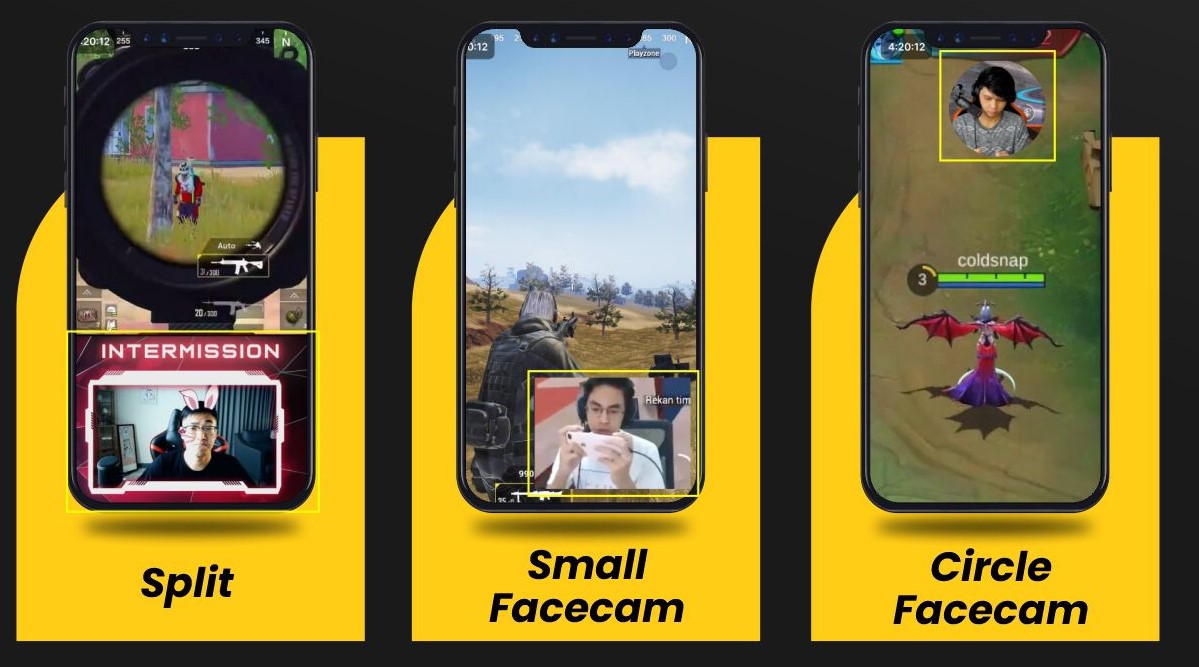
The platform automatically takes standard horizontal 16:9 gameplay, tracks your facecam, and stacks them perfectly into a 9:16 vertical format for mobile.

“The auto-captioning alone is worth the premium price… accurate enough that I rarely fix more than a word or two. I’ve tried other tools and the vertical crop tracking here is better. My TikTok views went up after switching to 1080p premium clips.”

NaomiGrind, YouTube Creator (via Product Hunt)

“Makes good content that I post on TikTok daily. I couldn’t maintain a consistent daily posting schedule without it.”

Michael Pedigo, TikTok Creator (via Trustpilot)

While the editing templates and meme-generators are widely praised, a small subset of users noted that the auto-captions can occasionally glitch or mishear words if the game audio is too loud compared to the microphone.

“The captions rarely work… I find myself doing a lot of manual editing, though the meme-finder tool is genuinely useful.”

Joel Borders, YouTube Streamer (via Trustpilot)


⚖️ The Feature Breakdown (Pros & Cons)

Based on hundreds of community comments, here is how the specific features stack up:

  • Vertical Crop & Reframing: Consistently praised. It tracks facecams well, though it can occasionally slip during incredibly fast-moving scenes.
  • Voice Command (“Clip It”): A fan favorite. Being able to say “Clip that” into your mic while live, and having the AI automatically timestamp it for later, is considered Eklipse’s most unique feature.
  • Free Plan Value: Highly rated. Unlike many competitors, the free plan is genuinely usable for new streamers, despite the 720p cap and watermark.
  • ⚠️ Processing Speed: Mixed. Premium users get priority queues and fast results. Free users, however, report occasional delays, especially during peak weekend hours.
  • Customer Support: Needs work. While some users report quick fixes, several reviews point to a slow-to-respond Discord team and an unhelpful automated support bot.
  • Refund Policy: Eklipse has a strict no-refund policy in their Terms of Service, which has frustrated some users who forgot to cancel their auto-renewal.

💡 Pro Tips from Daily Eklipse Users

Want to get the most out of the platform? Here are the top tips shared by experienced users in the community:

  1. Use Voice Commands: Don’t rely 100% on the AI. Set up the voice command feature so you never miss a highlight.
  2. Filter by AI Score: Eklipse grades the clips it generates. Save time by sorting your dashboard to only show clips with a high “Viral Score”.
  3. Use the Scheduler: Don’t post everything at once. Use the built-in social scheduler to stretch one stream into a full week of daily TikTok posts.
  4. Upgrade for Big Events: If you are playing in a tournament or doing a subathon, upgrading to Premium for that month is highly recommended to unlock crisp 1080p exports.

The Verdict

Is Eklipse.gg worth it?

If you are an action or FPS streamer looking to grow your TikTok or Shorts presence without spending hours in Premiere Pro, absolutely. The time saved is undeniable, and the free tier is generous enough to test it out risk-free. If you are a Just Chatting or strategy streamer, you will still save time, but expect to do a bit more manual curation.

MonkaS & MonkaW Explained: Decoding Twitch’s Most Nervous Emotes

0

If you’ve ever stepped into a popular Twitch stream during a high-stakes match, you’ve likely seen the chat mutate from words into a wall of green, sweating frogs.

If you are new to the platform, this is confusing. Why is everyone posting a nervous cartoon frog? Is the streamer in trouble?

Welcome to the deep end of Twitch culture. You are seeing “MonkaS,” one of the most widely used emotes to convey tension, anxiety, and high-pressure situations. But it doesn’t stop there—there is a whole family of these emotes, including its loud cousin, MonkaW.

Here is a breakdown of what these emotes mean, where they came from, and why chat spams them during the most intense moments of a broadcast.

The Origin Story: Pepe and BTTV

First things first: You won’t find MonkaS in the standard Twitch emote menu.

MonkaS, like many of the most popular emotes on the platform (like PogChamp’s many variants or Pepega), is based on Pepe the Frog, a comic character created by Matt Furie that became an internet meme staple.

To see MonkaS in chat, you need browser extensions like BetterTTV (BTTV) or FrankerFaceZ (FFZ). These third-party tools allow streamers to upload custom emotes that their community can use, vastly expanding the visual vocabulary of Twitch chat.

MonkaS first appeared on 4chan around 2011 but was uploaded to BTTV in 2016, forever changing how chat reacts to pressure.

What Does MonkaS Mean?

Visual: A drawing of Pepe the Frog looking straight ahead with bulging eyes and beads of sweat pouring down his forehead.

Meaning: MonkaS is the universal Twitch symbol for anxiety, nervousness, or high-stakes tension.

It is used when the outcome of a situation is uncertain and the pressure is on. You will rarely see MonkaS used during casual gameplay. Instead, chat saves it for truly intense moments.

Common examples of MonkaS usage:

  • When a streamer is the last player alive in a competitive shooter (like Valorant or CS:GO) and has to clutch the round against multiple enemies.
  • When a speedrunner is on a world-record pace and approaching the hardest part of the game.
  • When a streamer is about to open a high-value loot box or gamble a large amount of in-game currency.
  • When the streamer is telling a risky story that might get them in trouble with Twitch Terms of Service (TOS).

What Does MonkaW Mean?

Visual: A highly zoomed-in version of MonkaS, focusing entirely on the sweaty forehead and terrified eyes.

Meaning: Panic. Sheer panic.

The “W” in Twitch emote variants usually stands for “Wide” or indicates a zoomed-in perspective. If MonkaS is nervousness, MonkaW is the alarm bell. It’s used when the situation has gone past tense and straight into terrifying or chaotic territory. It’s the visual equivalent of screaming.

You use MonkaW when the “intense moment” peaks—like when the streamer gets jump-scared in a horror game or immediately after they lose that crucial clutch round in heartbreaking fashion.

The Wider “Monka” Family

Twitch culture never settles on just one version of a meme. The “Monka” naming convention has spawned various other emotes to describe specific types of stress:

  • monkaGIGA: A gigantic version of the sweating frog for overwhelming pressure.
  • monkaHmm: Pepe thinking suspiciously, used when chat thinks the streamer is lying or something doesn’t add up.
  • monkaTOS: Specific anxiety that the streamer is about to break Twitch rules and get banned.

Turning Intense Moments into Content

Chat uses MonkaS because they feel the tension radiating from the streamer. For a content creator, those high-pressure situations are gold mines. The moments that make chat sweat are usually the moments that make for viral clips on TikTok or YouTube Shorts.

But as a streamer, you might be live for eight hours. Finding those 30 seconds of peak intensity where you screamed, clutched a round, or got jump-scared can take hours of re-watching your own VODs.

This is where Eklipse steps in.

Eklipse AI is designed to recognize the same things chat recognizes. Our AI scans your stream VODs and identifies intense audio cues—sudden spikes in volume, shouting, high-action game sounds, or terrified screams during a horror playthrough.

Just as chat instinctively spams MonkaW when things get crazy, Eklipse automatically detects those intense moments and clips them for you, ready to be edited into vertical format and shared instantly.

Don’t let your best MonkaS moments disappear into the VOD abyss. Let Eklipse find them for you.

What Does KEKW Mean on Twitch? The Story Behind the Laugh

0

You are watching a stream. The streamer makes a bad joke, misses a jump, or simply bursts into laughter. Suddenly, the chat explodes. It’s not “LOL,” it’s not “LMAO,” and it’s not even the classic “LUL.”

It’s a wall of KEKW.

If you are new to Twitch, this grainy, wheezing face might look confusing. But in the streaming world, KEKW is the king of laughter. Here is everything you need to know about the emote, the legend behind the face, and why it took over the internet.

The Meaning: Pure, Hysterical Laughter

Simply put, KEKW represents hysterical laughter. It is used when something is so funny that “LOL” just doesn’t cut it. It is the visual equivalent of a wheezing, uncontrollable laugh.

On Twitch, it is often used in two scenarios:

  1. Genuine Comedy: The streamer did something hilarious.
  2. Mockery: The streamer made a stupid mistake, and chat is laughing at them (in a friendly way… usually).

The Origin: The Legend of “El Risitas”

The face behind the emote belongs to Juan Joya Borja, a Spanish comedian and actor better known as “El Risitas” (The Giggles).

The image comes from a 2007 interview on a Spanish variety show called Ratones Coloraos. In the clip, Borja tells a story about leaving paella pans in the ocean to clean them, only to find the tide had washed them away. As he tells the story, he breaks down into his signature, high-pitched wheezing laugh.

That laugh was infectious. Years later, the internet rediscovered the clip. People started adding fake subtitles to the video—making it look like he was laughing about everything from Apple MacBooks to video game developers.

How it hit Twitch: Around late 2019, the emote was added to FrankerFaceZ (FFZ) and BetterTTV (BTTV), the popular browser extensions that add custom emotes to Twitch. It was popularized by communities like xQc and AdmiralBulldog, eventually dethroning “LUL” and “LULW” as the go-to laugh emote.

Wait, What Does “KEK” Mean?

To understand the name, we have to go back to World of Warcraft.

In WoW, if a Horde player types “LOL” in chat, Alliance players see it translated as “KEK”. It’s a reference to the Korean onomatopoeia for laughter (“kekeke”).

  • KEK = LOL (in Orcish/Gamer slang)
  • W = Widen/Zoom (Standard Twitch naming convention for exaggerated emotes)

So, KEKW literally means “LOL, but zoomed in and exaggerated.”

Don’t Miss the Laughter

When your chat starts spamming KEKW, it usually means you just created a “clip-worthy” moment. High chat velocity and specific emote spikes are the best indicators of viral content.

But you can’t stop playing to clip every funny moment manually.

This is where Eklipse helps. Our AI technology monitors your chat in real-time. When it detects a spike in “KEKW,” “LUL,” or laughter, it automatically captures that segment, crops it to vertical, and generates captions—so you can post that hilarious moment to TikTok before you even finish your stream.

Turn Chat Spam into Viral Content

When chat spams KEKW, you know it’s gold. Eklipse AI automatically detects high-laughter moments and clips them for you instantly.

Auto-Clip Funny Moments →

What Does ‘o7’ Mean on Twitch? The Digital Salute Explained

0

If you have spent more than five minutes in a Twitch chat, you have probably seen it. A wall of text scrolling by, filled with a single, two-character code: o7.

It’s not a typo. It’s not a bot error. It is one of the oldest and most respectful traditions in gaming culture.

If you are new to the streaming world, don’t worry. In this guide, we will break down exactly what o7 means, where it came from, and how to capture the legendary moments that make people type it.

The Meaning: Look Closer

The definition of o7 is visual, not textual. It is an emoticon that represents a person saluting.

  • o = The head
  • 7 = The arm and hand bent in a military salute

Unlike standard Twitch emotes (like Kappa or PogChamp) that require an image to load, o7 is universal. It works on Discord, YouTube, Twitter, and even in old-school text messages. It is the universal sign of respect, solidarity, or saying goodbye.

The Origin Story: Commanders in Space

While the exact origin is debated, internet historians generally agree that o7 was popularized by the player base of EVE Online and Elite Dangerous.

In these massive space simulation games, players act as “Commanders.” Because the games rely heavily on text communication, players needed a quick way to greet fellow pilots or wish them luck before a dangerous warp jump. Typing “Safe travels, Commander” takes too long. Typing “o7” takes a fraction of a second.

From the depths of space, the salute migrated to Reddit, then to League of Legends, and finally became a staple of Twitch culture.

When Should You Use o7?

Context is key. You don’t just throw out a salute for no reason. Here are the three main scenarios where an o7 is appropriate:

1. The Goodbye (Signing Off) When a streamer ends their broadcast and says, “Alright guys, I’m heading out,” the chat will instinctively spam o7. It is the polite way to thank the streamer for the entertainment and wish them a good night.

2. The Ultimate Sacrifice (In-Game) Did a teammate jump in front of a bullet to save the streamer? Did an NPC character die a tragic death in a story game? Drop an o7 to pay your respects. It is the modern equivalent of “Press F to Pay Respects.”

3. The Clutch (or The Valiant Fail) Sometimes, a streamer tries something impossible. Whether they pull off a 1v5 clutch or die trying in a blaze of glory, an o7 shows that you respect the effort.

Don’t Let Your ‘o7’ Moments Disappear

Usually, when chat starts spamming o7, something memorable has just happened. It might be a heartfelt goodbye, a hilarious in-game death, or a victory against all odds.

As a streamer, these are the moments you need to save. But if you are busy playing, you can’t hit the clip button every time chat reacts.

This is where Eklipse helps. Our AI analyzes your stream in real-time. It detects high-intensity moments, funny reactions, and even victories automatically. While your chat is typing o7, Eklipse is already working in the background to clip that moment, crop it to vertical, and get it ready for TikTok.

Best OBS Studio Settings for Streaming: The Ultimate x264 Guide

0

You have the skills, the overlay, and the personality. But if your stream looks like a pixelated mess from 2005, viewers won’t stay.

Finding the best OBS settings is a balancing act between quality and performance. While many modern guides focus heavily on NVIDIA’s NVENC encoder, the x264 (CPU) encoder remains the gold standard for pure visual fidelity—if your rig can handle it.

Whether you are running a dual-PC setup or have a beastly CPU like a Ryzen 9 or Intel i9, this guide will break down the ultimate x264 configuration for a crisp, professional broadcast.

Perfect stream settings deserve perfect clips. Once you fix your quality, you need a way to share those high-res moments instantly. We’ll get to that later.

Step 1: The “Output” Tab (Switch to Advanced)

First, open Settings > Output. Change the “Output Mode” from Simple to Advanced. This unlocks the granular control you need.

  • Encoder: x264
  • Rescale Output: Unchecked (Do your scaling in the “Video” tab to save resources).

Step 2: Rate Control & Bitrate (The Most Critical Step)

This determines how much data you send to Twitch or YouTube.

  • Rate Control: CBR (Constant Bitrate). Never use VBR for streaming; it causes instability.
  • Bitrate:
    • For 1080p 60fps: 6000 Kbps (Twitch limit) or 8000+ Kbps (YouTube).
    • For 720p 60fps: 4500 Kbps.
  • Keyframe Interval: 2 s. (This is non-negotiable. Twitch requires a 2-second keyframe).

Step 3: CPU Usage Preset (Quality vs. Lag)

This setting tells OBS how hard to work your CPU to compress the video.

  • slower = Better quality, higher CPU usage.
  • faster = Lower quality, lower CPU usage.

The Sweet Spot: veryfast or faster. Unless you have a dedicated streaming PC, going slower than “fast” yields diminishing returns on visual quality while tanking your frame rate.

  • Profile: High
  • Tune: None (or “Film” for realistic games, “Animation” for 2D games).

Step 4: The “Video” Tab

This is where you define your resolution.

  • Base (Canvas) Resolution: Set this to your monitor’s resolution (usually 1920×1080).
  • Output (Scaled) Resolution:
    • Use 1920×1080 if you have a strong connection.
    • Use 1664×936 (936p) for a sharp “hack” that looks better than 720p but requires less bitrate than 1080p.
  • Downscale Filter: Lanczos (Sharpened scaling, 36 samples).
  • Common FPS Values: 60.

Why Your VODs Matter More Than Ever

Now that you have dialed in the best OBS settings, your VODs (Video on Demand) will be crystal clear. This is crucial because your VODs are the raw material for your growth engine.

Pixelated streams result in blurry TikToks. High-quality streams result in viral content.

Instead of letting that high-quality footage sit in your Twitch archive gathering dust, use Eklipse to repurpose it automatically.

Your Stream Looks Great. Now Make it Viral.

Don’t let your 1080p stream disappear. Eklipse AI automatically captures your best moments and turns them into high-quality TikToks & Shorts instantly.

Get High-Quality Clips Free →

How to Make $1,000/Month Reposting Game Clips

0

You don’t need to be a pro player like Faker or an entertainer like IShowSpeed to make serious money in the gaming industry. In fact, some of the highest-earning channels on TikTok and YouTube Shorts today are “Cash Cow” channels—accounts that curate and repost viral moments from top games.

The concept is simple: Millions of gamers don’t have time to watch 6-hour streams. They want the best 60 seconds. If you can provide that value, you can get paid.

In this guide, we will break down the exact strategy to build a reposting empire and hit that $1,000/month milestone, powered by AI automation.

Step 1: The “Cash Cow” Model Explained

How exactly do you get paid? It’s not just about views; it’s about Monetization Programs.

  • TikTok Creativity Program: Pays creators for videos over 1 minute long with high engagement. Gaming clips are perfect for this if edited correctly.
  • YouTube Shorts Fund & Ad Revenue: Shorts are exploding. Consistent uploads (3-5 per day) can rack up millions of views quickly.
  • Affiliate Marketing: Put links to gaming gear, VPNs, or energy drinks in your bio.

Step 2: Choose Your Niche (Don’t Be Boring)

“General Gaming” is too broad. To go viral, you need a specific angle.

  • The Fail Compilation: Helldivers 2 funny deaths or Elden Ring rage moments.
  • The Pro Play: High-IQ plays from Valorant or CS2 tournaments.
  • The Storyteller: Lore explanations or “Did you know?” facts about GTA VI.

Step 3: The Content Engine (The Eklipse Secret)

Here is where most people fail: Burnout. Manually watching streams, downloading VODs, cutting clips, and adding captions takes hours. You cannot scale a business if you are editing frame-by-frame.

The Solution: Use Eklipse AI to Automate Content Eklipse is the ultimate tool for Cash Cow creators because it solves the volume problem.

  1. Paste & Process: Simply paste a link to a Twitch or YouTube stream (your own or one you have permission to use).
  2. AI Detection: Eklipse automatically identifies the most engaging moments (Triple Kills, Funny Laughs, High Intensity).
  3. Auto-Edit: It instantly crops the video to vertical (9:16) and adds viral-style captions.
  4. Download: You get 10-20 ready-to-post clips from a single stream in minutes.

Note: Always respect copyright. Add commentary, transformative editing, or get permission from streamers to ensure your content falls under Fair Use or authorized reposting.

Step 4: The Posting Schedule

Volume is king. To hit $1,000/month, you need to trigger the algorithm.

  • TikTok: Post 3x per day (Morning, Lunch, Evening).
  • Shorts: Repost the same TikToks to YouTube Shorts.
  • Instagram Reels: Repost again.

With Eklipse, you can schedule these posts directly from the dashboard, turning a 2-hour workflow into a 15-minute task.

Start Your Empire Today!

The opportunity is open right now. Games like Black Ops 6 and GTA VI are creating massive demand for clips. You can either watch others make money from it, or you can start your own channel today.

Ready to Build Your Content Empire?

Don’t let manual editing slow down your earnings. Generate unlimited viral clips automatically and grow your channel faster with Eklipse AI.

Start for Free →

How to Watch & Download Sub-Only VODs on Twitch

0
twitch logo thumbnail

You missed the live stream. You rush to the channel to catch the replay, only to be hit with a purple screen: “Subscribe to watch this video.”

It is one of the most frustrating experiences on Twitch. Whether you are a broke student, a casual viewer, or a content creator studying gameplay, being locked out of a VOD (Video on Demand) feels like hitting a brick wall.

While Twitch allows streamers to lock their archives behind a paywall to encourage subscriptions, there are ways to access this content for personal viewing. In this guide, we will show you how to download and watch Sub-Only VODs without installing shady software on your PC.

The Problem: The “Subscriber-Only” Wall

Twitch partners and affiliates can toggle a setting that makes their past broadcasts accessible only to active subscribers. While this supports the creator, it is a nightmare for:

  • Clip Channels: Who need footage to create compilations.
  • Coaches/Analysts: Who need to review gameplay.
  • Casual Fans: Who simply missed the notification.

You might have tried searching for “Twitch VOD Bypass” scripts on GitHub, but those often require coding knowledge or stop working after a Twitch API update. There is a safer, cloud-based way.


Method 1: The Eklipse VOD Downloader (Safe & Easy)

The fastest way to watch a restricted VOD is to download it. Once the file is on your device, the subscription lock no longer applies.

Eklipse offers a powerful VOD processing tool that fetches stream data directly from Twitch servers. Unlike sketchy browser extensions that might steal your cookies, Eklipse is a verified cloud tool used by over 1 million creators.

Why use Eklipse?

  • No Installation: It runs in your browser (Chrome/Edge/Mobile).
  • Safe: No need to mess with “Inspector Element” or scripts.
  • High Quality: Downloads the source quality (1080p60fps).

Step-by-Step Guide:

  1. Copy the Link: Go to the Twitch channel and copy the link of the locked VOD.
  2. Go to Eklipse: Log in to your Eklipse Dashboard.
  3. Paste & Process: Paste the Twitch URL into the “Get Clips” or “Downloader” section.
  4. Download: Eklipse will fetch the video data. You can then download the full video or let our AI automatically cut it into TikTok-ready highlights.

(Note: While Eklipse is powerful, always respect the creator’s copyright. Download VODs for personal viewing or fair-use content creation only.)


Method 2: The Technical Route (TwitchRecover/GitHub)

If you are comfortable with command lines and installing third-party executable files, the open-source community has developed tools like TwitchRecover.

  • How it works: It attempts to find the unmuted .m3u8 playlist file of the VOD from Twitch’s backend servers.
  • The Downside: Twitch frequently patches these exploits. A tool that works today might be broken tomorrow. Furthermore, downloading .exe files from unknown GitHub repositories always carries a security risk.

Verdict: Unless you are a developer, stick to cloud-based solutions like Eklipse to avoid malware and headaches.


Don’t Let a Paywall Stop You

Content is meant to be watched. Whether you are catching up on lore or analyzing a pro player’s rotation, you shouldn’t be blocked by a sub-wall for a stream that happened 12 hours ago.

Ready to grab that VOD? Stop searching for complex scripts and use the tool built for gamers.

Best Recording Settings for Arc Raiders (Fix Lag & Stuttering)

0

Struggling with FPS drops, black screens, or crashes while recording Arc Raiders? Here is the ultimate guide to optimizing your Arc Raiders recording settings and switching to a lightweight clipping solution.

Arc Raiders is a visually stunning extraction shooter, but it’s also demanding on your hardware. If you are trying to record your gameplay using local software like OBS, Medal, or Nvidia Shadowplay, you might be experiencing significant performance issues. Finding the right Arc Raiders recording settings is crucial to maintaining high frame rates while capturing crisp footage of your extractions.

Common Arc Raiders Recording Issues reported by players:

  • FPS Stuttering: The game freezes or drops frames during intense firefights.
  • Black Screen: OBS captures audio but shows a black screen for the game feed.
  • Game Crashing: Running recording software alongside the game causes Arc Raiders to crash to the desktop.

The root cause? Local recording software eats up valuable CPU and GPU resources that Arc Raiders desperately needs to run smoothly. The solution isn’t just lowering your game settings—it’s changing how you record.

The Fix: Switch to Cloud-Based Clipping (Zero FPS Drop)

Instead of forcing your PC to render the game AND record the video simultaneously, use a cloud-based clipper like Eklipse. By connecting your Twitch or YouTube stream to Eklipse, the recording happens on our servers, not your rig.

Why this fixes Arc Raiders lag:

  • 0% GPU Usage: Your graphics card focuses 100% on rendering Arc Raiders.
  • No Black Screens: Eklipse captures the stream feed directly, bypassing local hook issues.
  • Auto-Highlights: You don’t even need to hit a hotkey. Our AI detects intense moments and clips them for you.

Check out the Arc Raiders AI Clipper here.

Recommended Arc Raiders Graphic Settings for Visibility

Even with cloud clipping, optimizing your in-game settings ensures your recordings look crisp and enemies are easy to spot. Here are the best settings for a balance of performance and visibility:

SettingRecommendationReason
Window ModeFullscreenPrioritizes game resources and prevents OBS capture bugs.
DLSS / FSRQuality / BalancedBoosts FPS significantly without making the image blurry.
Shadow QualityMedium/LowHigh shadows kill FPS and make enemies harder to see in dark corners.
Motion BlurOFFEssential for clarity. Blur makes clips look messy and hides targets.
V-SyncOFFReduces input lag for snappier aiming.

How to Clip “Bugs & Glitches” for Dev Reports

Since Arc Raiders is still in active development, you will encounter bugs. Developers need video proof to fix them. Instead of constantly recording huge files, use Voice Command to clip bugs instantly.

  1. Connect Eklipse: Link your stream account.
  2. Enable Voice Command: In the Eklipse dashboard settings.
  3. Trigger the Clip: When you see a glitch (or hit a crazy shot), just say “Clip That!” or “What the heck!”.
  4. Instant Proof: Eklipse saves the last 60 seconds and sends it to your library, ready to be shared on Discord or Reddit.

Ready to record Arc Raiders without the lag?

Don’t let recording software ruin your extraction. Switch to Eklipse today and capture every loot run in 1080p without touching your PC’s performance. Start clipping for free!

Top 10 Best Clipping Software Ranked by Speed & FPS Impact (2026 Benchmarks)

0

TL;DR
Q: What is the best clipping software for gaming?
A: For pure performance, Eklipse.gg ranks #1 with 0% hardware impact (cloud-based). For local recording, NVIDIA ShadowPlay is the most efficient (<5% FPS drop). Medal.tv offers great social features but consumes more RAM.


When you are pushing for 240Hz in competitive shooters like Valorant or Call of Duty, every single frame matters. Choosing the best clipping software for gaming is a mathematical decision. A poorly optimized recorder can eat up 15-20% of your CPU, causing micro-stutters that ruin your aim.

In 2026, efficiency is the only metric that counts. We have analyzed and ranked the top 10 clipping tools on the market, prioritizing FPS impact, CPU usage, and processing speed. Whether you need a tool that generates viral clips in 60 seconds or a recorder that runs invisibly in the background, this list provides the hard data you need to optimize your setup.

Benchmark Data: Top 10 Software Compared

We ranked these tools from Lowest Impact (Best Performance) to Highest Impact.

RankSoftwareFPS Impact (Est.)CPU/RAM UsageBest ForPrice
#1Eklipse.gg0% (None)0% (Cloud)Streamers (Auto-Clip)Free / Premium
#2NVIDIA ShadowPlay~3-5%Low (GPU Encoded)NVIDIA UsersFree
#3Action!~4-6%Low (Proprietary Codec)High FPS Recording$19.77 (Lifetime)
#4OBS Studio~5-10%Medium (Highly Variable)Full ControlFree ($0)
#5Xbox Game Bar~5-8%Low-MediumWindows NativeFree
#6VideoProc~8-12%Medium (HW Accel)Low-End PCs$25.95/yr
#7EaseUS RecExperts~10-15%MediumScheduled Recording$19.95/mo
#8HitPaw~10-15%MediumMultiple Inputs$9.99/mo
#9Medal.tv~10-20%High (High RAM)Social SharingFree / Premium
#10Rav.aiN/AN/A (Post-Process)Enterprise Editing$2,000/yr

1. Eklipse.gg – The 0% Impact Champion

Eklipse: The Ultimate AI Video Editor

The Numbers: 0% CPU Usage | 1080p Quality | 10 Clips in 60 Seconds

Eklipse.gg takes the #1 spot for a logical reason: it bypasses your hardware entirely. Unlike local recorders that encode video while you play (stressing your PC), Eklipse connects to your Twitch, YouTube, or Kick stream. It processes the VOD on cloud servers after or during your stream.

Why it wins on specs:

  • 0 FPS Drop: Your PC dedicates 100% of its resources to the game.
  • Automation Speed: AI detects kills and funny moments, generating vertical clips automatically.
  • Storage Saved: No massive video files clogging your SSD; everything is stored in the cloud.

Get 15 Free Clips Now

2. NVIDIA ShadowPlay – Best Local Efficiency

The Numbers: ~3% Performance Hit | Up to 8K Resolution

If you are an offline gamer (not streaming), ShadowPlay is the mathematical leader. It utilizes the dedicated NVENC encoder chip found on GTX and RTX cards. This chip is separate from the part of the GPU that renders your game, resulting in negligible performance loss.

  • Pros: “Instant Replay” buffers the last 5-20 minutes efficiently.
  • Cons: Zero editing automation. You must manually cut and format every file.

3. Action! – Best for High Refresh Rates

The Numbers: 120 FPS Recording | FICV Codec

Mirillis Action! is optimized for speed. It uses a proprietary video codec (FICV) designed to be lighter than standard H.264. It is one of the few recorders that can capture at 120 FPS or even 240 FPS, making it ideal for creating silky-smooth slow-motion montages.

  • Pros: Extremely low CPU overhead due to optimized code.
  • Cons: Paid software; the interface is dated.

4. OBS Studio – Best for Customization

The Numbers: $0 Cost | Unlimited Scenes

OBS is the industry standard, but it requires manual tuning. If configured correctly (using NVENC or AMF encoders), the impact is low (~5%). However, adding complex overlays or using the wrong settings (like x264 software encoding) can spike CPU usage to 20%+, causing massive lag.

  • Pros: Total control over bitrate and audio tracks.
  • Cons: High risk of user error affecting performance.

5. Xbox Game Bar – Best for Native Integration

Xbox Game Clips Recording
Source: thewincentral

The Numbers: Pre-installed on 100% of Windows PCs

The Xbox Game Bar is “always on” in Windows 10/11. Its “Record Last 30 Seconds” feature is convenient and reasonably efficient because it’s integrated into the OS kernel. However, it does run background services that consume a small amount of RAM constantly, even when you aren’t gaming.

  • Pros: No installation required.
  • Cons: Limited to 30-second or 5-minute buffers; basic quality options.

6. VideoProc – Best for Low-End Hardware

Source: https://www.videoproc.com/

The Numbers: Level-3 Hardware Acceleration

VideoProc focuses on “Level-3 Hardware Acceleration,” utilizing Intel QSV, AMD, and NVIDIA tech to offload tasks. It is a solid choice for older laptops where CPU cycles are scarce. However, as an external app, it still has more overhead than ShadowPlay.

  • Pros: Good for non-gaming PCs.
  • Cons: Paid license required for full features.

7. EaseUS RecExperts – Best for Scheduled Capture

The Numbers: 4K UHD Support | Monthly Subscription

EaseUS is a general-purpose screen recorder with a “Game Mode.” While it produces high-quality 4K video, benchmarks show it consumes more system resources than dedicated gaming tools. It is better suited for recording tutorials than high-octane competitive gameplay.

8. HitPaw – Best for Multi-Device Inputs

The Numbers: 3 Simultaneous Inputs

HitPaw allows you to record your screen, webcam, and even an iOS device simultaneously. While impressive, processing three video streams in real-time takes a toll on your CPU. Expect a 10-15% FPS drop on mid-range machines.

9. Medal.tv – Best for Social (High Resource Usage)

The Numbers: 500MB+ RAM Usage | Electron Framework

Medal is incredibly popular for its social feed, but from a performance standpoint, it is heavy. It runs on the Electron framework (like a web browser), which is known for high RAM usage. On lower-end PCs with 8GB or 16GB of RAM, running Medal alongside a heavy game like Cyberpunk 2077 can cause stuttering.

  • Pros: One-click sharing and cloud syncing.
  • Cons: Heaviest background resource usage on this list.

10. Rav.ai – Best for Post-Production (Not Real-Time)

The Numbers: $2,000/year Entry Price

Rav.ai is not a real-time clipper but an automated editing service. It has N/A impact on your FPS because you upload files after you play. However, the “cost” here is time and money. It is designed for enterprise-level creators who need full video edits, not quick clips.

How to Choose Based on Specs (The Logic)

When looking at the numbers, apply this logic to your decision:

  1. For Maximum FPS (Competitive): Use Eklipse (if you stream) or ShadowPlay (if you don’t). These offer the lowest mathematical impact on your system.
  2. For Content Volume: Eklipse wins. It automates the extraction of clips, saving you ~10 hours of editing time per week.
  3. For Social Features: Medal is great, but only if you have a high-end PC (32GB RAM recommended) to handle the overhead.

Frequently Asked Questions (Data & Specs)

Which software has the absolute lowest FPS drop?

Eklipse.gg technically has the lowest impact (0 FPS drop) because it processes the VOD from the streaming platform’s server, not your PC. Among local recorders, NVIDIA ShadowPlay is the most efficient (~3% impact).

Why does Medal.tv make my game lag?

Medal.tv uses the Electron framework, which can be RAM-intensive. If your system runs out of RAM, it starts using the disk page file, causing significant in-game stutters.

Is 60FPS recording enough for TikTok?

Yes. While you may game at 144Hz or 240Hz, TikTok and Instagram Reels cap videos at 60FPS. Recording higher than 60FPS is only useful if you plan to use slow-motion effects.

Final Verdict: The Numbers Don’t Lie

If you want to protect your frame rate in 2026, the data points to a clear winner:

  • The Efficiency King: Eklipse.gg. By offloading the processing to the cloud, it guarantees 0% hardware usage while you play.
  • The Local Standard: NVIDIA ShadowPlay. The best option for offline recording with minimal impact.

Stop sacrificing frames for content. Switch to the most efficient workflow today.

Get 15 Free Clips Now with Eklipse!

How to Create a Highlight Reel in Minutes (And Save 10+ Hours of Editing)

0

TL;DR:
Q: How to create a highlight reel?
A: The most efficient way is to use an AI-powered tool like Eklipse.gg. It automatically scans your VODs, detects the best moments, and compiles them into shareable clips, saving you hours of manual scrubbing and editing.


Learning how to create a highlight reel is essential for channel growth, but the traditional process is a massive time sink. Usually, it involves downloading massive VOD files, scrubbing through hours of footage to find killstreaks or funny moments, and manually editing them together. For most streamers, this manual workflow is the biggest bottleneck to consistency.

But what if you could reclaim that time? Imagine saving 10+ hours of editing work every single week. That is time you could spend streaming, engaging with your Discord community, or simply getting some well-deserved rest. In 2026, you don’t need to be a video editing wizard to go viral; you just need the right assistant. Let’s explore how to automate your highlights and turn hours of work into minutes of review.

Why “Grinding” the Edit is Hurting Your Stream

There is a common misconception in the streaming community that you have to do everything yourself to “earn” your success. While hard work is necessary, busy work is not. If you stream for 4 hours, spending another 4 hours editing a highlight reel is a recipe for burnout.

Your value as a creator lies in your personality and your gameplay, not in how fast you can use the razor tool in Premiere Pro. By automating the creation of your highlight reels, you shift your focus from production to performance. This is the “Outcome” mindset: the goal isn’t just to have a video; the goal is to have a growing channel without sacrificing your mental health.

The Smart Way: Using Eklipse as Your Personal Assistant

Think of Eklipse not just as a software tool, but as a dedicated production assistant that watches your stream 24/7. While you sleep, Eklipse processes your latest VODs from Twitch, YouTube, or Kick, identifies the high-energy moments, and prepares them for you.

Here is how Eklipse changes the workflow:

  • Auto-Detection: No need to re-watch your 6-hour stream. Eklipse uses AI to find kills, wins, and funny moments automatically.
  • Instant Formatting: It automatically converts landscape footage into vertical (9:16) formats perfect for TikTok, Shorts, and Reels.
  • AI Captions: It generates accurate captions to keep viewers engaged, even with the sound off.

For those serious about quality, Eklipse Premium offers 1080p export quality, faster processing speeds, and the ability to process longer streams. It’s a small investment to reclaim hours of your life.

How to Create a Highlight Reel with Eklipse (Step-by-Step)

How to Get Mobile Legends Highlight Automatically with Eklipse

Ready to save those 10 hours? Here is the exact workflow to generate a highlight reel in minutes.

Step 1: Connect Your Stream

Log in to Eklipse.gg and link your Twitch, YouTube, or Kick account. You only need to do this once. Eklipse will automatically see your past VODs.

Step 2: Select Your Stream

Choose the stream you want to turn into a highlight reel. Click “Get Clips.” Eklipse’s AI will begin analyzing the footage. You can close the tab and walk away—go grab a coffee or start your next stream. The AI is doing the heavy lifting.

Step 3: Review and Refine

Once processed, you will see a list of generated clips ranked by potential virality.

  • Review: Watch the clips Eklipse selected.
  • Edit: Use the built-in editor to trim the start/end times, add stickers, or adjust the AI face-cam layout.
  • Compile: You can download individual clips or stitch them together into a longer montage.

Step 4: Export and Share

Export your clips directly to TikTok, YouTube Shorts, or Instagram Reels. If you are a Premium user, you can utilize the Social Media Scheduler to plan your posts for the week, ensuring you stay consistent without logging in every day.

The Old Way: Manual Editing (For Comparison)

To truly appreciate the time you are saving, let’s look at what the manual process entails. If you choose not to use AI, here is how to create a highlight reel manually:

  1. Download the VOD: Wait for a 5GB+ file to download to your PC.
  2. Watch the Footage: Re-watch your entire stream (real-time or 2x speed) and write down timestamps of good moments.
  3. Import to Editor: Drag the file into DaVinci Resolve or Premiere.
  4. Cut and Trim: Manually cut out the boring parts.
  5. Resize for Vertical: Manually adjust the aspect ratio and keyframe your face cam to keep it in frame.
  6. Add Captions: Type out subtitles manually, word for word.
  7. Render: Wait for the video to export.

Total Time Estimated: 4 to 6 hours per video.
Total Time with Eklipse: 15 to 30 minutes.

3 Tips for Better Highlight Reels in 2026

Even with an AI assistant, your creative input matters. Here is how to ensure your highlights perform well:

  • Keep it Short: Attention spans are shorter than ever. Aim for clips under 60 seconds for Shorts/Reels.
  • Hook in 3 Seconds: Ensure the very first second of your highlight has action or a loud reaction. If it starts slow, people scroll.
  • Use Eklipse Premium Features: High-definition quality matters. Viewers on 2026 devices expect crisp 1080p visuals. Upgrade to Premium to remove watermarks and ensure your content looks professional.

Frequently Asked Questions

How long does it take to create a highlight reel with AI?

With Eklipse, the active work time is usually 15-20 minutes. The AI processing happens in the background, so you don’t need to sit at your computer while it finds the clips.

Can I use Eklipse for Kick streams?

Yes! Eklipse supports Kick, Twitch, YouTube, and Facebook Gaming. You can also upload video files directly from your computer or Google Drive (a Premium feature).

Is the free version enough?

The free version is a great starting point, offering 720p exports and standard processing. However, if you want to save maximum time and get the highest quality (1080p) without watermarks, Eklipse Premium is the recommended choice for growing streamers.

Conclusion: Work Smarter, Stream More

Learning how to create a highlight reel doesn’t mean you have to suffer through hours of editing. By leveraging AI, you are buying back your time. That is 10+ hours a week you can reinvest into your community, your gameplay, or your personal life.

Don’t let editing fatigue stop you from growing. Let Eklipse handle the grind so you can focus on the game.

Ready to automate your content creation? Try Eklipse Premium today and see how much time you can save.